Jakarta Pushed for Education Equity to Retain Top Student City Rank
Reported by Fakhrizal Fakhri | Translated by Nugroho Adibrata
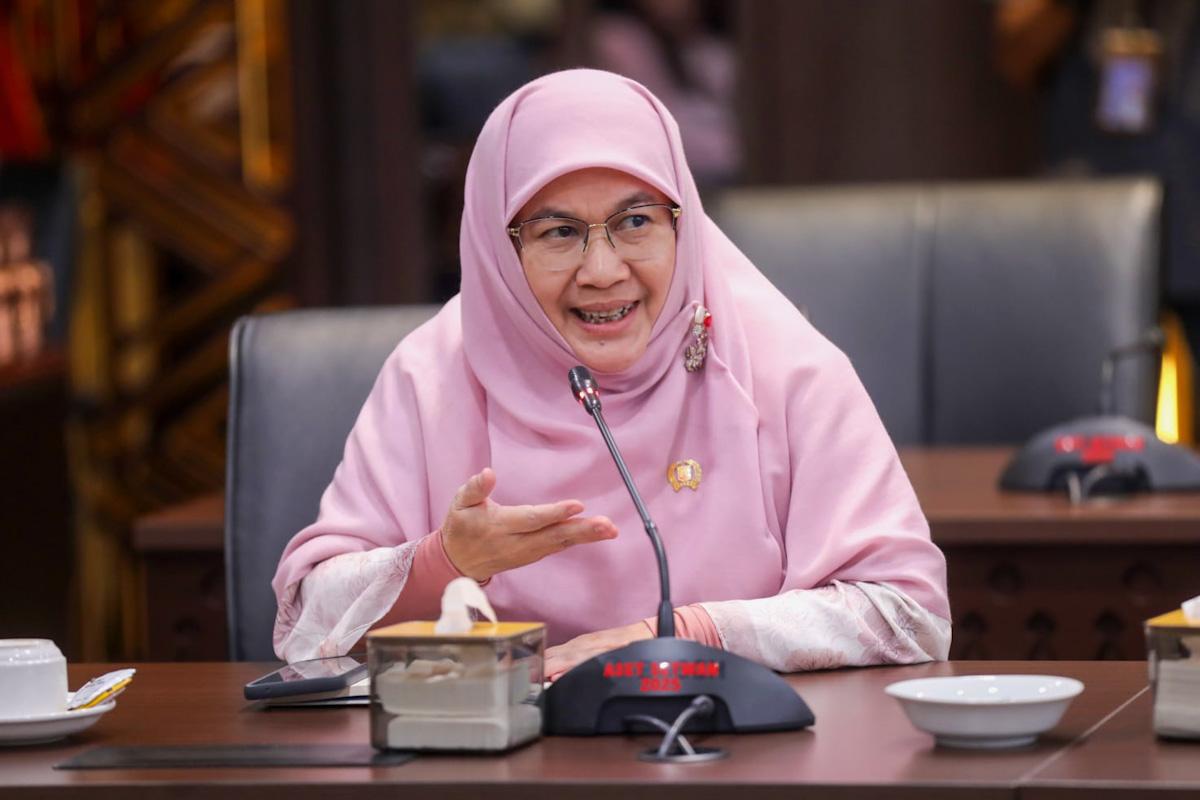
Jakarta Legislative Council Commission E Member Chicha Koeswoyo gave high marks to Governor Pramono Anung and Deputy Governor Rano Karno for their visionary moves in education.
The Education Agency must formulate priorities
The lineup of game-changing programs includes wider Jakarta Smart Card (KJP) and Jakarta Superior Student Card (KJMU) coverage, tuition-free private school access, and brand-new city-funded scholarships for postgraduate and doctoral candidates.
She highlighted that Jakarta’s crown as Indonesia’s number-one student hub is a direct payoff of close teamwork between city hall and the legislature. Maintaining this title, she argued, demands citizen-first policies that cut through bureaucratic red tape and sectoral egos, in line with Bylaw No. 5/2025.
Pramono Emphasizes the Importance of Cross-Border Collaboration to Achieve Quality Education"Commission E actively defended the education budget to protect KJP and KJMU beneficiaries and broaden free private education. This year, participating schools grew significantly from 40 to 103, adding 63 institutions, including special needs schools," she expressed, Monday (10/19).
On KJP and KJMU aid distribution, she addressed concerns over welfare decile adjustments impacting recipient eligibility. She encouraged the Jakarta government to enhance dispute-resolution mechanisms through P4OP and the Cek Bansos mobile app for citizens lodging appeals.
Additionally, she urged local RT/RW leaders and Dasawisma cadres to proactively report any issues harmful to beneficiaries, noting that public engagement is vital for robust monitoring and swift remedial action.
Alongside student aid, Chicha highlighted the importance of equalizing educational infrastructure in outer-city zones. She stressed, school construction and upgrades must rely on structural mapping, needs inventories, and targeted priority setting.
"The Education Agency must formulate priorities grounded in physical condition and functional needs. In upcoming the City Budget (APBD) discussions, the legislative will press the agency to prioritize underserved outskirts and high-density settlements in Seribu Islands," she explained.
She asserted that legislative monitoring covers both budgetary allocations and on-the-ground infrastructure delivery. As such, legislative will visit project sites directly to confirm that execution aligns with specified requirements.
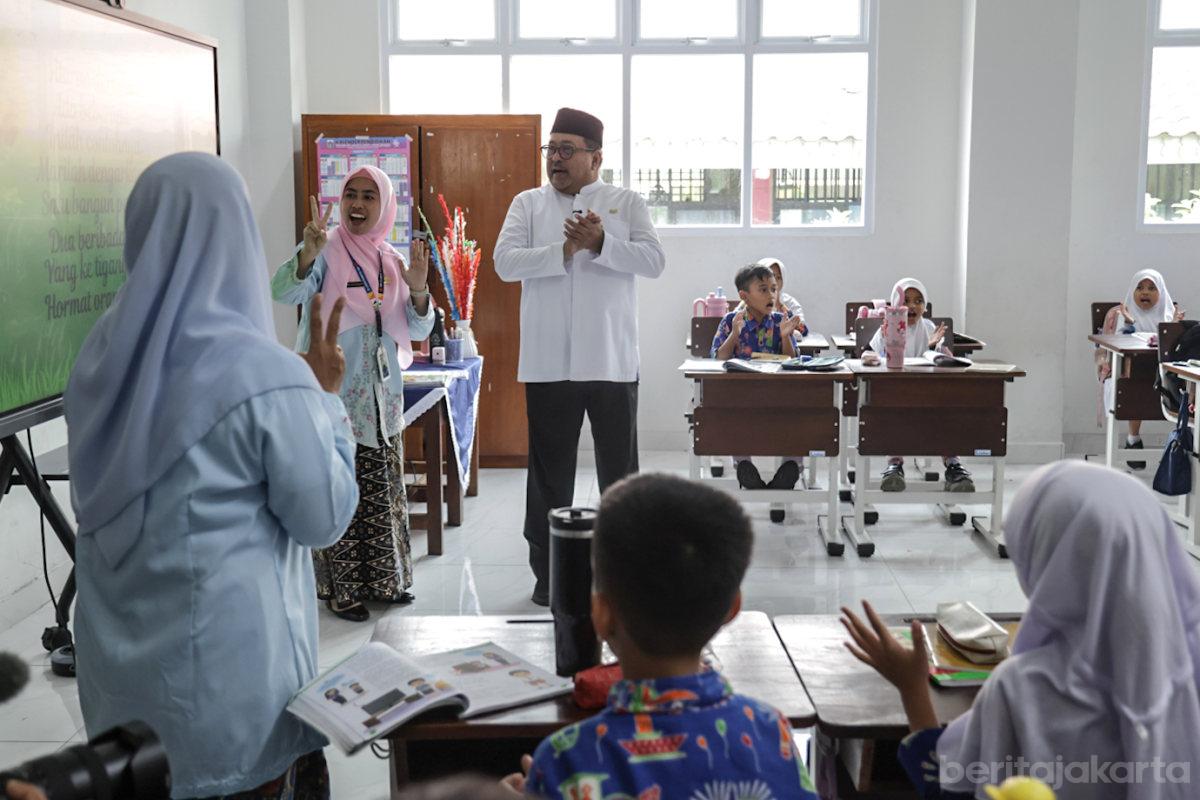
"Oversight doesn't stop with funding approval. We'll conduct direct working visits to active school construction and rehabilitation sites, continuing the hands-on approach seen at the groundbreaking of SDN 09 Kebayoran Lama and other facilities," she added.